
 English
 中文简体
中文简体The Importance and Challenges of Marine Anchors Marine anchors are essential components in the operation of vessels, playing a critical role in ensuring the stability and safety of ships while they ar...
READ MORE



Sep 09, 2026
Picture this: you lower the anchor, feel the line come tight, and settle back while the boat swings at rest. Twenty minutes later, the shoreline has moved. You pull up the line to find the knot that connected the anchor has separated from the ring. Most anchoring emergencies start with a knot issue, not an anchor issue.
The strongest and most dependable answer is the anchor bend, sometimes called the anchor hitch. It is a jamming knot that grips the rope’s own standing part with two half hitches, and it tightens when the load comes on. This guide gives you the exact steps, explains why it beats simpler knots, and shows what hardware checks to make before you put your boat on the anchor.
Content
An anchor rode is not static. Wind, current, and wave action load and unload the line continuously, often from a different angle each time. A knot that looks fine at the dock can creep open after a night of yawing. The rope also wears at the point where it rubs the ring, and sand inside the fibers works like sandpaper.
For that reason, the knot you use must do two jobs at once: hold the rope to the anchor without slipping, and keep the rope fibers aligned so the joint keeps as much strength as possible. No knot reaches 100 percent of the rope’s breaking strength, and a knot under load is always a weak point. The anchor bend is preferred because it stays closed and does not work loose during the repeated loading and unloading of an anchor rode. The bowline, for example, is easy to untie but can loosen under cyclic loads; the anchor bend is the safer default for a rope you plan to leave connected.
Rope construction also affects knot performance. Three-strand nylon is the classic choice because it stretches under load, absorbs snap loads, and holds knots well. Stiff or heavily coated lines can feel better in the hand, but the same knot may behave differently on them.
You need a short working end, about two feet or 60 centimeters, depending on the rope diameter. Practice on any ring or shackle before you need it in a hurry.
The finished knot should look like a clove hitch tied around the rope’s own standing part. As load comes on the standing part, the two hitches squeeze together and grip the rope below them. The tail cannot pull free because it is trapped between the hitches and the load.
The anchor bend uses friction on the standing part rather than relying on the holding power of a loop. When the boat pulls, the standing part tries to slide through the two half hitches, but the hitches tighten against each other instead. On a wet rope, in mud, or after hours of chafe, the knot does not shake loose. That is the property that makes it a proper anchor knot.
The trade-off is jam resistance. After a long anchoring session, the knot can be very hard to untie. If you lift and store the anchor every day, you may need a marlinspike to open it. That inconvenience is a sign that the knot is doing its job. For short-term anchoring in protected water, a bowline is a reasonable alternative, but never rely on a plain slipped knot.
| Knot | Best for | Main limitation |
|---|---|---|
| Anchor bend | Permanent connection to a ring, shackle, or chain | Can jam after heavy load |
| Bowline | Temporary loop that must be untied easily | Can loosen under varying load |
| Two half hitches | Quick, temporary attachment to a ring or post | Can slip if not under continuous tension |
If you are tying the anchor bend directly to a chain link, the same steps work, but the first pass goes through the link rather than the anchor ring. If your hardware ends in a shackle, pass the rope through the shackle’s jaw or its pin slot. The key is to keep the clove hitch on the standing part, not around the metal. The rope must be free to wrap around itself, and the clove hitch must not sit in the throat of a shackle where the pin could jam it.
The knot is only half of the connection. A few meters of chain between the anchor and the rope protects the line from sharp rocks and shells, adds weight that helps the anchor flukes stay horizontal, and acts as a shock absorber in swell. Most recreational ground tackle systems use a chain leader, then the rope, with a shackle or swivel between the components.
Choose chain with a working load equal to or greater than the rope’s breaking strength. Galvanized chain is the common saltwater choice; stainless chain costs more and is easier to inspect. The chain’s end link is the place where your anchor bend will be tied if you do not use an additional shackle.
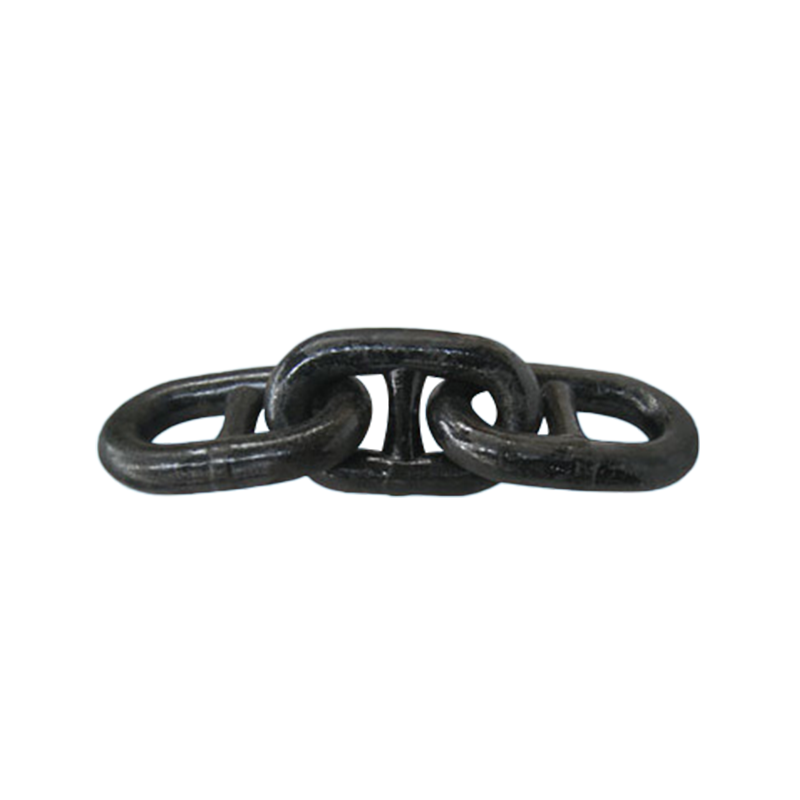 Galvanized or Stainless Studded Anchor Chain for Marine UseThis anchor chain offers a wide range of diameters and corrosion resistance suitable for saltwater anchoring. Consider it when matching chain working load to rope breaking strength to secure your vessel.View Product →
Place a swivel between the chain and the rope if the boat swings in a circle while anchored. The swivel lets the chain turn without twisting the rope, which is one of the main reasons knots loosen over time.
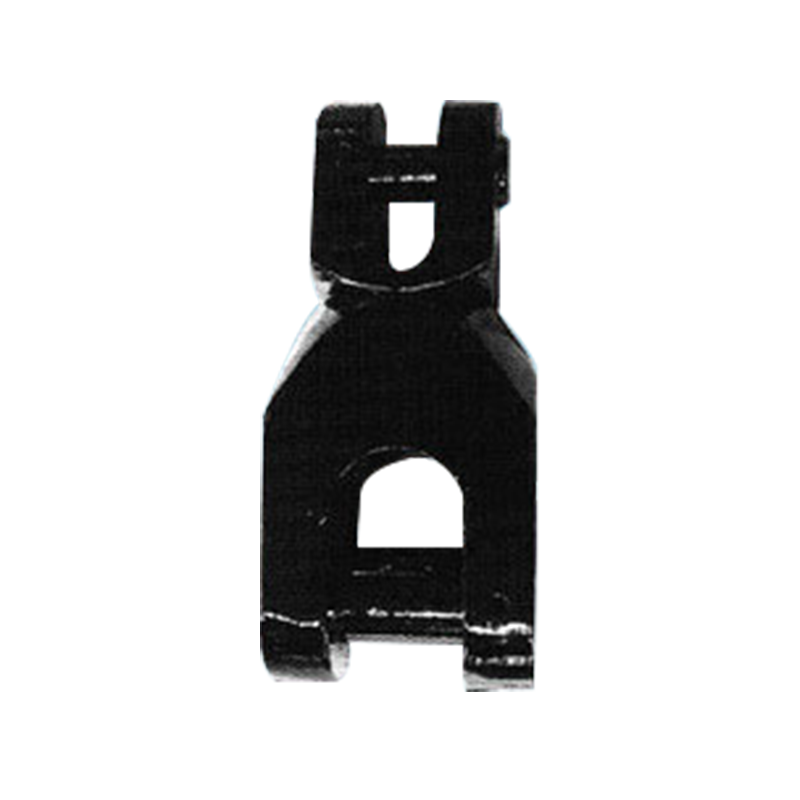 High-Strength Alloy Steel Anchor Swivel Shackle (Type A)Designed to prevent rope twisting when a boat swings at anchor, this durable swivel shackle withstands heavy loads and harsh marine conditions. Place it between chain and rope for reliable anchoring.View Product →
The end shackle connects the chain to the anchor ring or the rope to the chain. Secure the pin with mousing wire or seizing so vibration cannot unscrew it while the anchor is set.
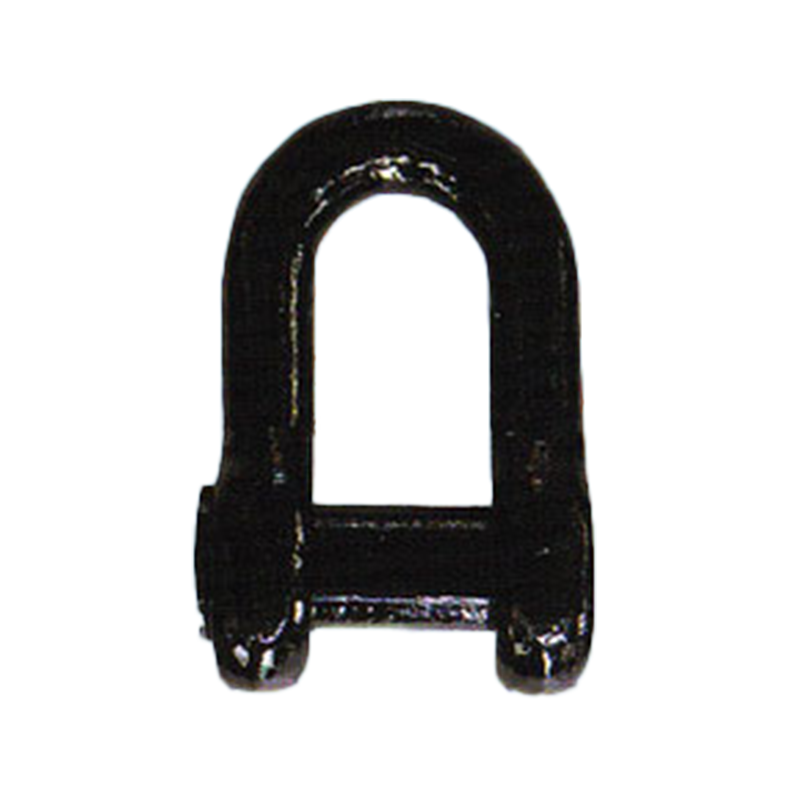 Quick-Installation End Shackle for Anchor Chain SystemsThis end shackle enables fast connection and disconnection without special tools, reducing downtime and maintenance costs. Ideal for frequent anchoring operations, it connects chain to anchor ring securely.View Product →
However well a knot is tied, it needs a quick check before every anchoring event. Use this list until it becomes a routine.
Once you have used the anchor bend a few times, you will recognize the feel of the hitches pulling tight against the standing part. It is the difference between a rope that merely looks tied and a connection that becomes more secure under load. Take an extra minute, add a backup hitch, and test the anchor with the engine before you trust it. For the rest of the anchoring routine, including scope selection, setting technique, and gear preparation, see our complete guide on how to anchor a boat properly.
The Importance and Challenges of Marine Anchors Marine anchors are essential components in the operation of vessels, playing a critical role in ensuring the stability and safety of ships while they ar...
READ MOREStability Challenges of Aquaculture Equipment: Why Are Aquaculture Mooring Anchors So Important? In modern aquaculture, especially offshore or offshore aquaculture, equipment stability is the cornerst...
READ MOREThe Role of a PE Yacht Anchor in Enhancing Mooring Stability The stability of a yacht in rough waters is influenced by various factors such as wind, waves, and currents. One of the most critical eleme...
READ MOREWhat materials are used for steel spherical buoys, and what are their structural advantages? As a key component of marine and inland navigation systems, the structural design and material selection of...
READ MORE
Copyright © Nantong Yangfan Marine Equipment Co., Ltd. All Rights Reserved.
