
 English
 中文简体
中文简体The Importance and Challenges of Marine Anchors Marine anchors are essential components in the operation of vessels, playing a critical role in ensuring the stability and safety of ships while they ar...
READ MORE



Aug 26, 2026
Late on a summer afternoon, with a breeze pushing toward the harbor wall, is the wrong time to realize you have not worked out how to moor your boat. The maneuver looks easy because the crew has done it before. In practice, safe mooring comes down to four habits: see the space, prepare the lines, control the speed, and secure everything with a knot that will not slip.
Content
Mooring is securing the boat to a fixed object, such as a mooring buoy, piling, dock, or shore fixture. Anchoring is different: the boat holds position by lowering an anchor to the seabed. Both methods prevent drifting, but mooring gives a more predictable position because the boat attaches to something fixed rather than relying on anchor setting.
A permanent mooring system transfers load from the boat through a pendant or pennant line to a buoy, then down to chain and an anchor or sinker below. The buoy marks the spot and gives you a pickup point. The chain and ground tackle absorb movement from wind and tide. Understanding this chain of components helps you make better decisions on the water.
A well-designed mooring keeps the boat in place without constant attention, but only if every part can take the load. A snapped chain or a worn pennant can turn a secure berth into an emergency, so the equipment matters as much as the skipper.
The first step in mooring is not steering; it is looking and communicating. A crew member who knows what you intend is far more useful than one who is simply holding a line.
Mooring line diameter should match the size and displacement of the boat. Nylon is the preferred material because it stretches and absorbs shock. Fenders should be placed where the hull is widest and where the dock contact will happen, which on most boats is near the midship area rather than at the bow or stern. The table below gives a starting point for recreational boats.
| Boat length | Mooring line diameter | Number of fenders | Mooring pennant |
|---|---|---|---|
| Under 20 ft | 3/8 in nylon | 2 fenders | 1/2 in nylon |
| 20 to 30 ft | 1/2 in nylon | 2 to 3 fenders | 5/8 in nylon |
| 30 to 45 ft | 5/8 in nylon | 3 to 4 fenders | 3/4 in nylon |
| Over 45 ft | 3/4 in nylon or larger | 4 or more fenders | 1 in nylon |
Speed is the enemy of a clean mooring. If you arrive too fast, you cannot correct with fenders or lines. Move the boat at idle speed as soon as you are within two boat lengths of the berth or buoy.
For a berth or dock, approach at a shallow angle, with the bow pointing slightly toward the dock. As the bow closes, use a short burst of reverse to stop forward movement. A spring line led aft from the midship cleat will help stop the boat from running forward along the dock while you secure the bow line.
For a mooring buoy, bring the buoy or its pickup float up on the windward side so the wind pushes you away from it if you miss. Have one crew member with a boat hook ready. Do not put the engine in gear near the buoy; the propeller can catch the pendant or chain. Instead, use the boat hook to catch the pennant ring, bring the line to a midship cleat, and then shift the boat into position.
Parallel mooring is the standard technique alongside a pontoon or dock. The boat lies parallel to the floating structure and is held by bow, stern, and spring lines. Perpendicular mooring, sometimes called Mediterranean mooring, places the bow or stern to a quay and uses a shore line to keep the boat at a right angle. It is common in tight harbors. For a first-time mooring, avoid it until you are confident with speed control and line handling.
A mooring knot has two jobs: hold the boat in every expected condition, and release quickly if the situation changes. The three knots below cover most mooring situations.
After securing the first line, go back and add a spring line to stop fore-and-aft movement. Check all lines for chafe points, especially where they pass over the rail or through a chock. Add chafing gear or a cloth sleeve at any point where the line touches hard edges. A good habit is to double the first line, especially on a buoy, so you have a backup if one line fails.
If you have a fixed seasonal berth, you need a permanent mooring rather than a temporary tie. A permanent system usually includes a heavy anchor or sinker, ground chain, swivel, a buoy, and a pennant to connect the boat. Each component must be sized for the load of the boat and the conditions of the site.
The buoy is the first thing you see from the helm. A steel spherical mooring buoy is a strong option for exposed locations because the rounded shape handles impacts from boats and passes wave forces cleanly. Check that the buoy has enough flotation volume to support the weight of the chain and the strain of the boat.
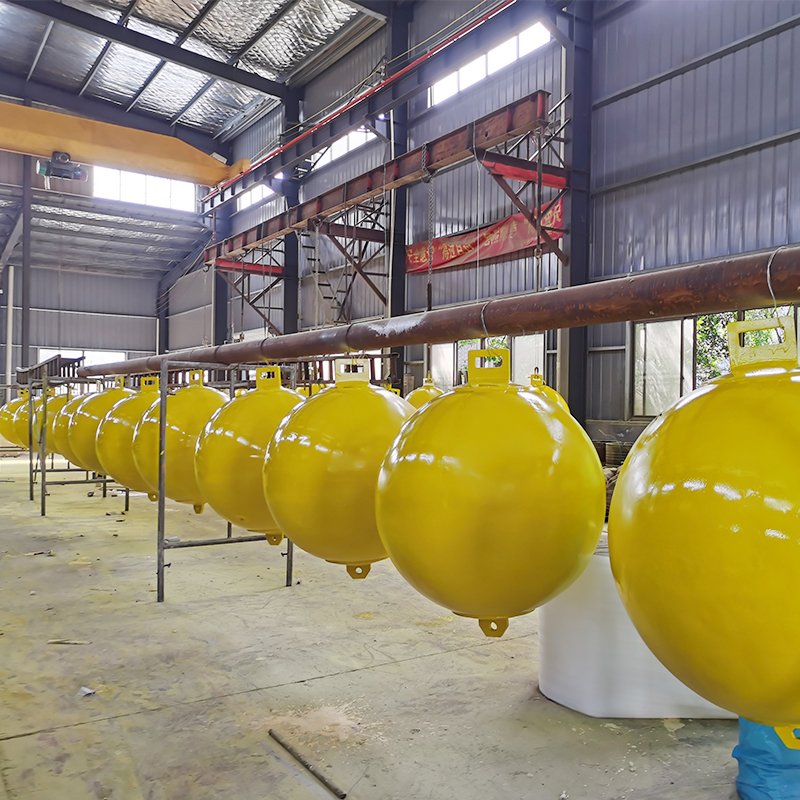 Custom Marine Steel Spherical Buoy Suppliers, ManufacturersNantong Yangfan Marine Equipment Co., Ltd. is China Marine Steel Spherical Buoy manufacturers and Steel Spherical Buoy suppliers, we cust...View Product →
Between the buoy and the anchor, the chain carries most of the tension. A good anchor chain resists abrasion and keeps the lower part of the system lying flat on the seabed, which adds holding power. Use a swivel where the chain changes direction to reduce twisting and extend the service life of the components.
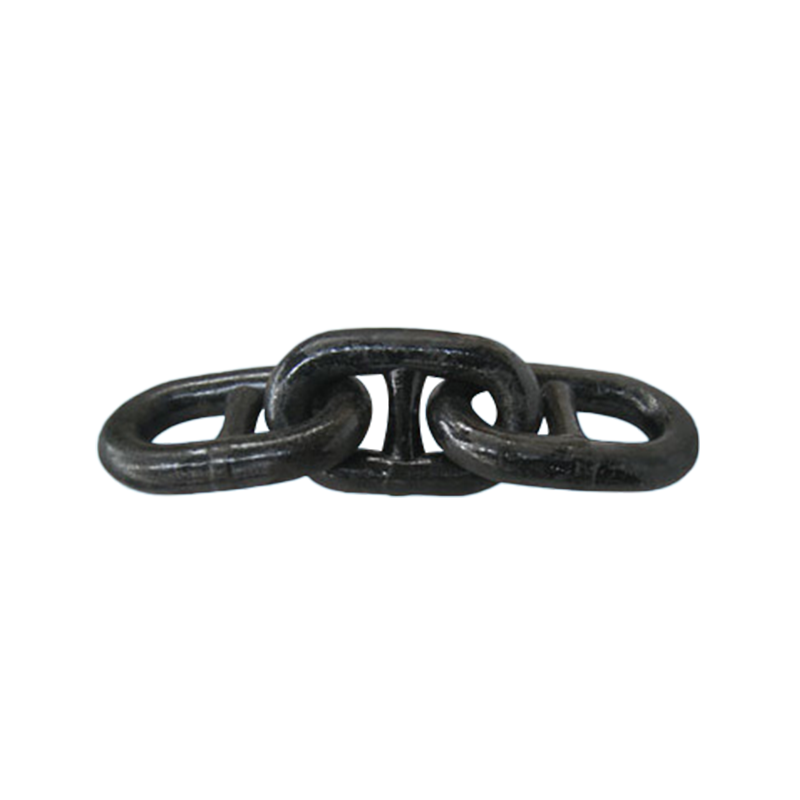 Wholesale Anchor Chain Suppliers, Factory - Nantong Yangfan Marine Equipment Co.Nantong Yangfan Marine Equipment Co., Ltd. is China wholesale Anchor Chain suppliers and factory,The studded anchor chain is a high-stren...View Product →
On soft sand or mud, a cast iron mooring sinker can be placed between the anchor and the chain to increase downward force and improve holding. Sinkers are also useful when bedrock prevents an anchor from being driven deep. Match the sinker weight to the boat length and the seafloor condition; a heavier sinker is not always better if it creates a hard point that chafes the chain.
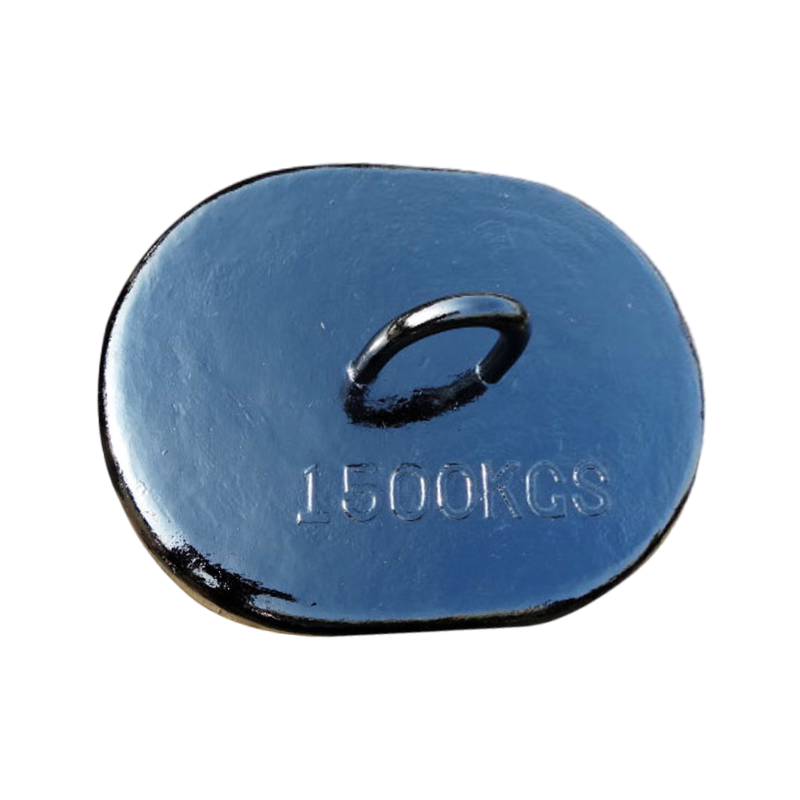 Boat Oval Casting Iron Mooring Sinkers Suppliers, ManufacturersNantong Yangfan Marine Equipment Co., Ltd. is China cast iron mooring sinkers manufacturers and oval cast sinking stone suppliers, we cus...View Product →
If you are only stopping for lunch or waiting for a lock, anchoring is usually faster and more flexible than seeking a mooring. You do not need a permanent buoy or shore fixture. The trade-off is that the anchor must set correctly, and you need enough swing room for the boat to move with wind or tide.
Mooring is preferable when you want a predictable position in a crowded harbor, because the boat is tied to a fixed point and swings less than it would on an anchor. For a short stop away from established moorings, follow the same logic that keeps a mooring secure: use the correct anchor size, enough scope, and a strong proper anchoring technique. If you anchor overnight, test the set by reversing gently against the anchor; if it drags, reset it before leaving the boat unattended.
Mooring is not a single skill. It is a sequence of small decisions: choosing the side, setting the fender height, picking the line, slowing down, and tying the last half hitch. Take an extra minute on the dock to test each knot and confirm that the lines run clear. The next time a brisker current catches you, you will already know what to do.
If you are assembling a permanent mooring from scratch, it helps to work with a marine mooring equipment manufacturer that can match the buoy, chain, sinker, and fittings to your boat and local conditions.
The Importance and Challenges of Marine Anchors Marine anchors are essential components in the operation of vessels, playing a critical role in ensuring the stability and safety of ships while they ar...
READ MOREStability Challenges of Aquaculture Equipment: Why Are Aquaculture Mooring Anchors So Important? In modern aquaculture, especially offshore or offshore aquaculture, equipment stability is the cornerst...
READ MOREThe Role of a PE Yacht Anchor in Enhancing Mooring Stability The stability of a yacht in rough waters is influenced by various factors such as wind, waves, and currents. One of the most critical eleme...
READ MOREWhat materials are used for steel spherical buoys, and what are their structural advantages? As a key component of marine and inland navigation systems, the structural design and material selection of...
READ MORE
Copyright © Nantong Yangfan Marine Equipment Co., Ltd. All Rights Reserved.
