
 English
 中文简体
中文简体The Importance and Challenges of Marine Anchors Marine anchors are essential components in the operation of vessels, playing a critical role in ensuring the stability and safety of ships while they ar...
READ MORE



Sep 23, 2026
After more than a decade of manufacturing anchors, anchor chains, and mooring hardware, our team has answered thousands of questions from boat owners, yacht builders, and fleet operators. One question comes up more than almost any other: how long should anchor line be? It sounds like a simple measurement, yet it decides whether your vessel swings quietly through the night or drags toward trouble when the wind shifts. The short answer is that most boats should carry enough line for a scope of 5:1 to 7:1 in normal conditions, and stretch toward 10:1 when the weather turns. The full answer depends on your water depth, your boat, your rode type, and how long you plan to stay put, so let us walk through it the way we would with a customer across the dock.
Content
Before running any numbers, it helps to be clear about terms. Boaters call the complete connection between vessel and anchor the rode. A rode may be pure rope, pure chain, or, most commonly on mid-sized craft, a hybrid: a length of chain working at the seabed with rope running back to the boat, joined by shackles and often a swivel.
Why does composition matter when sizing line? Because length is only half of the holding equation. The weight and stretch of the rode determine whether the pull on your anchor stays low and horizontal, where the flukes dig deepest, or rises at an angle that can pluck the anchor back out of the seabed. If you are new to the whole process, our guide on how to properly anchor a boat walks through every step from approach to retrieval.
When owners ask how long their anchor line should be, what they really need is the right scope. Scope is the ratio between the length of rode you pay out and the vertical distance from your bow down to the seabed. That distance is not simply the water depth. You must also add the height from the waterline to the bow roller or chock where the line leaves the boat.
Time-tested guidelines look like this:
| Anchoring Situation | Recommended Scope | Example: 12 ft Depth + 3 ft Bow |
|---|---|---|
| Calm day stop on good holding ground | 5:1 | 75 ft |
| Overnight stay in moderate wind | 7:1 | 105 ft |
| Winds above 20 knots, strong current, or unsettled forecast | 10:1 | 150 ft |
| All-chain rode in settled conditions | 3:1 to 5:1 | 45 to 75 ft |
Notice that the example uses a working depth of 15 feet, not 12. Forgetting bow height is the most common sizing mistake we hear about, and it quietly underscopes an otherwise careful plan.
A worked example: you plan to overnight in 10 feet of water where the tide will add 2 feet, and your bow chock sits 3 feet above the surface. Total depth equals 15 feet. At 7:1 scope you need 105 feet of line in the water, so the locker should hold comfortably more than that in reserve.
The table above assumes a rope-dominant rode. Change the material and the numbers shift.
Chain is heavy, and that weight is an asset. It settles into a sagging curve that keeps the pull on the anchor nearly horizontal, which is why many experienced cruisers happily run 3:1 to 5:1 scope with all chain. Chain also shrugs off chafe over rock, coral, and shell far better than rope, so we generally recommend it as the working end for anyone who anchors often on harder seabeds.
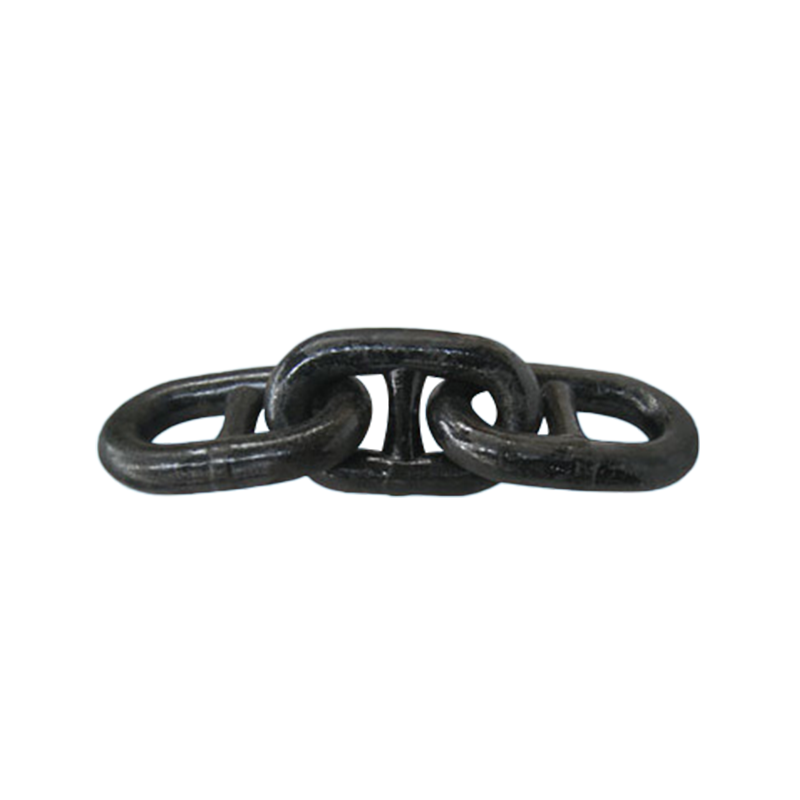 Studded Anchor Chain for Marine AnchoringMade in diameters from 12.5 mm to 162 mm with strong tensile and corrosion resistance, this chain forms the weighted, chafe-proof working end of a rode, keeping pull on the anchor horizontal over rock and shell bottoms.View Product →
The classic setup for mid-sized boats pairs 20 to 30 feet of chain with rope for the rest. The chain does the low-angle work near the seabed while the rope stretches to absorb shock loads from waves and wakes, softening the jerks that can unsettle a buried anchor.
Scope ratios are a starting point rather than a law. Lean toward the long end, or reconsider the spot, when any of the following apply:
One counterpoint deserves mention: more line means a larger swing circle. In a packed anchorage the answer is not always to let out more rope. Sometimes the smarter move is a shorter scope paired with a heavier anchor, or simply a roomier spot altogether.
Years of supplying anchoring hardware have shown us a handful of sizing errors that repeat season after season:
Every one of these is cheap to fix before departure and expensive to discover at anchor, and the last one has a simple solution: use properly rated connection gear.
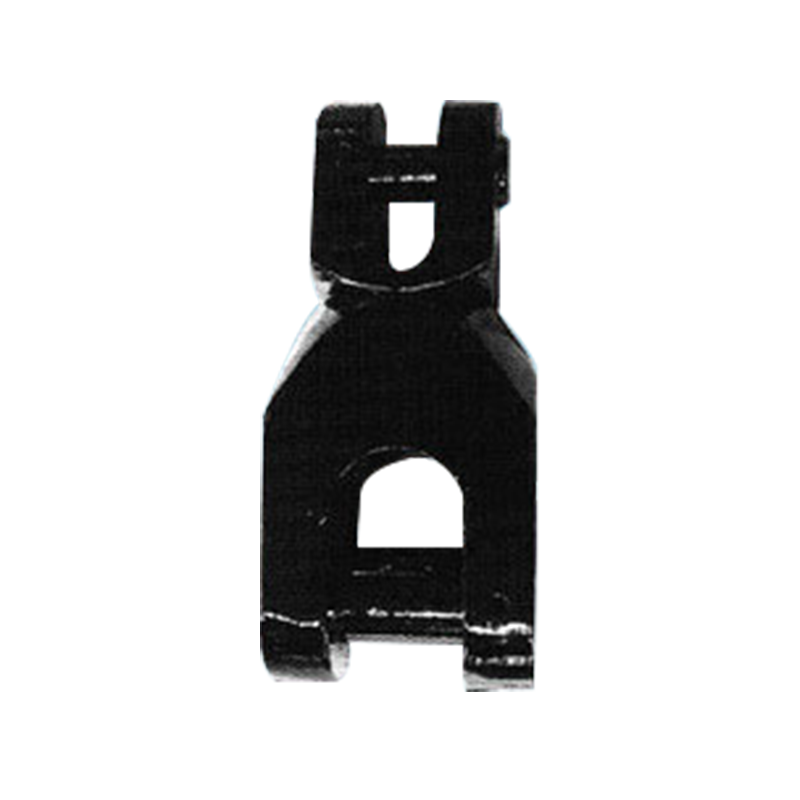 Type A Anchor Swivel Shackle in High-Strength Alloy SteelForged from high-strength alloy steel for heavy loads in harsh marine conditions, this swivel shackle connects chain to rope while letting the rode rotate freely, preventing twists as the boat swings at anchor.View Product →
A forged swivel shackle keeps the chain-to-rope junction strong while letting the rode rotate freely as the boat swings, so twists never work their way into the line.
Scope gives your gear the best possible geometry, but the seabed still has to grip something worth gripping. An undersized anchor at perfect scope will drag, and a correctly sized anchor with too little line can still break out in a gust. The two decisions belong together, which is why our frequently asked questions page pairs sizing guidance with the scope calculations above.
For leisure craft, a hot-dip galvanized yacht anchor offers an excellent balance of holding power, corrosion resistance, and value on sand and mud bottoms. Paired with a hybrid rode sized by the steps above, it forms a system built for seasons rather than single trips.
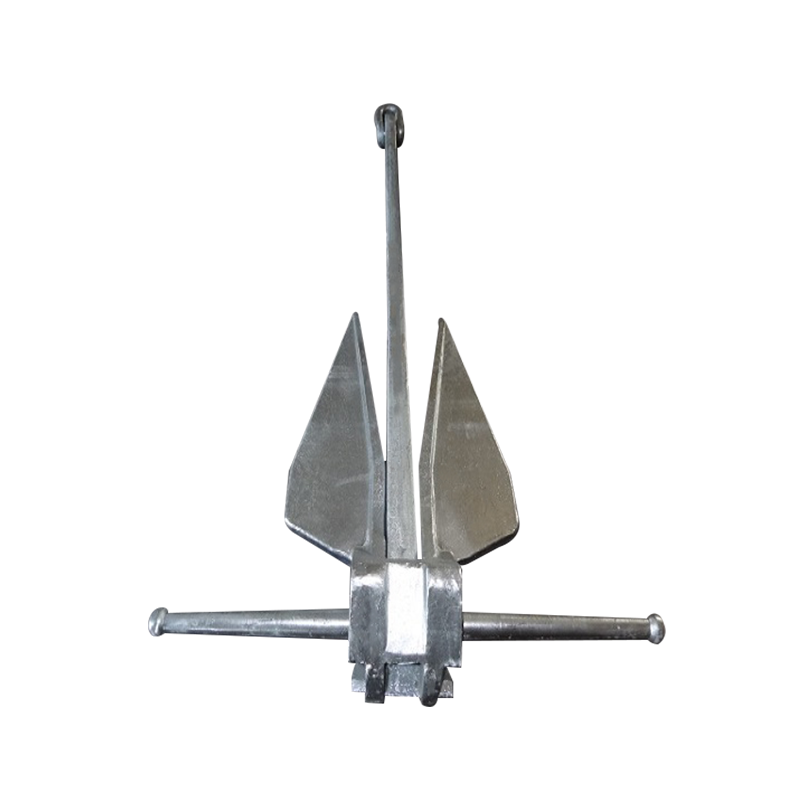 Hot-Dip Galvanized Yacht AnchorAvailable in fluke and claw designs, these hot-dip galvanized anchors combine holding power with strong corrosion resistance on sand and mud, making them a durable, value-focused choice for leisure craft rodes.View Product →
So, how long should anchor line be? Carry enough for at least 5:1 to 7:1 scope on your typical depths, keep room in the locker for 10:1 when the forecast sours, and let your rode type, whether rope, chain, or hybrid, fine-tune the final figure. If you are equipping a new build or replacing an aging rode, our factory produces anchors, chains, swivels, and shackles to international standards, with classification-society certificates available on request, and we are always glad to help match hardware to hull. Drop us a line, figuratively speaking. The line on your anchor should already be long enough.
The Importance and Challenges of Marine Anchors Marine anchors are essential components in the operation of vessels, playing a critical role in ensuring the stability and safety of ships while they ar...
READ MOREStability Challenges of Aquaculture Equipment: Why Are Aquaculture Mooring Anchors So Important? In modern aquaculture, especially offshore or offshore aquaculture, equipment stability is the cornerst...
READ MOREThe Role of a PE Yacht Anchor in Enhancing Mooring Stability The stability of a yacht in rough waters is influenced by various factors such as wind, waves, and currents. One of the most critical eleme...
READ MOREWhat materials are used for steel spherical buoys, and what are their structural advantages? As a key component of marine and inland navigation systems, the structural design and material selection of...
READ MORE
Copyright © Nantong Yangfan Marine Equipment Co., Ltd. All Rights Reserved.
