
 English
 中文简体
中文简体The Importance and Challenges of Marine Anchors Marine anchors are essential components in the operation of vessels, playing a critical role in ensuring the stability and safety of ships while they ar...
READ MORE



Sep 30, 2026
When the anchor goes down, the deck machinery that lowers and retrieves it does far more work than most crew members realize. A windlass sits at the heart of that machinery. It is a compact but powerful deck unit that uses the anchor chain to lift, lower, and hold the anchor in a controlled manner. Whether you are fitting out a fishing boat, a workboat, a yacht, or a commercial vessel, understanding how a windlass works helps you operate it safely and choose the right components around it.
Content
Before we follow the chain on its journey, it helps to know the main parts of the windlass and the job each one does. Although designs differ from one manufacturer to another, every windlass shares the same handful of working elements.
| Component | Function |
|---|---|
| Gypsy (wildcat) | Toothed wheel with shaped pockets that match the chain links; it grips the chain and pulls it link by link. |
| Warping drum | Smooth drum beside the gypsy, used for handling mooring lines and warping the vessel. |
| Brake | Band brake around the gypsy; it holds the chain when the windlass is idle and controls pay-out speed. |
| Clutch | Connects or disconnects the gypsy from the driving shaft. |
| Drive motor | Electric or hydraulic motor that supplies the power to turn the gearbox and gypsy. |
| Reduction gearbox | Steps down the motor speed and multiplies torque to lift heavy chain. |
| Shaft and bearings | Carry rotation to the gypsy while supporting the anchor load. |
| Baseplate | Steel foundation that spreads the load safely across the deck. |
When these parts are correctly matched with a suitable chain and anchor, the windlass can handle anchors weighing several tonnes and give the crew reliable control in all conditions.
A windlass works by converting the high speed of the motor into a slow, powerful rotation of the gypsy. The chain carries that motion to the anchor. Here is the sequence of events for each stage of anchoring.
With the clutch engaged, the motor turns the gearbox, which drives the main shaft and the gypsy. The gypsy is machined with pockets that fit the links of the chain. As it rotates, each pocket picks up a matching link, hauls it around the gypsy, and feeds it into the chain pipe that leads down to the chain locker. The gypsy must match the chain exactly. A chain with the correct pitch and link size seats cleanly in the pockets, while a poor match slips, jams, or wears both parts quickly.
When the anchor breaks out of the seabed, the load on the chain is at its highest. After the anchor hangs free, the load falls to the weight of the anchor plus the hanging chain, and the windlass heaves at a steady speed.
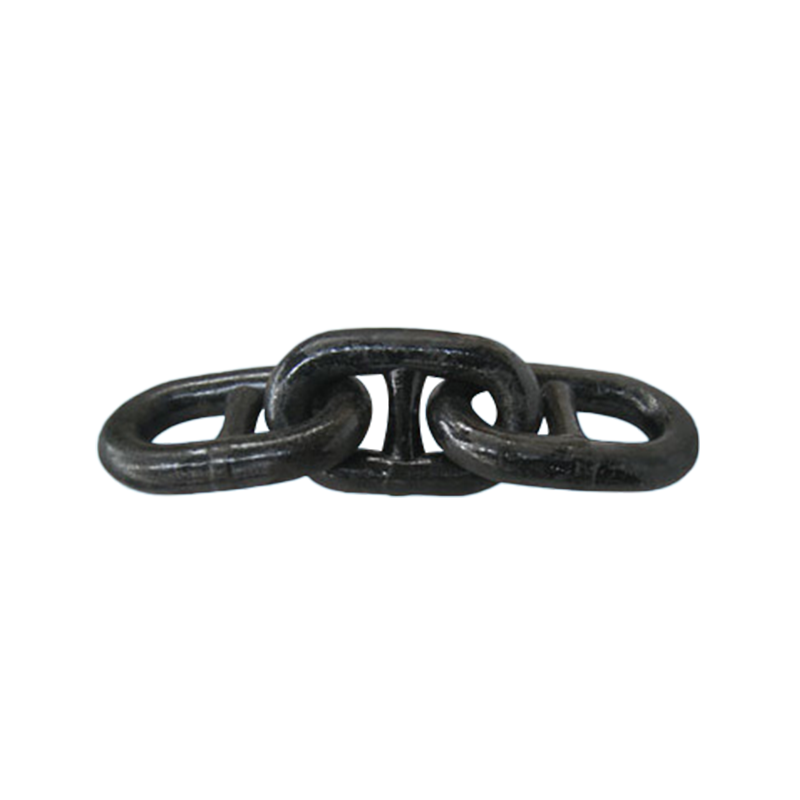 High-Strength Studded Anchor Chain for Marine UseThis studded anchor chain offers a wide diameter range and corrosion resistance, making it suitable for demanding seabed conditions. Its tensile strength helps maintain reliable holding when anchoring.View Product →
Lowering the anchor is the reverse of heaving, but it is done mostly by gravity and controlled by the brake. The clutch is disengaged so the motor does not have to follow the chain. The crew eases the brake, and the weight of the anchor and chain pulls the chain off the gypsy. The more the brake is released, the faster the chain runs; the tighter the brake, the slower the pay-out. The brake must be applied smoothly so the chain does not run away and pile up on the seabed.
When the anchor touches down, the crew pays out more chain until the chosen scope is reached. Scope is the ratio of deployed chain to water depth, and it decides how well the anchor holds.
Once the desired scope is out, the brake is set and the chain is secured. If the windlass carried the full holding force of the vessel in a swell, its teeth, brake surfaces, and shaft would suffer badly. That is why vessels use a chain stopper mounted between the windlass and the anchor. The stopper engages the chain and takes the load, letting the chain be secured at deck level while the windlass relaxes.
The catenary shape of the chain also helps. As the vessel rides to the anchor, the weight of the chain on the seabed absorbs shock loads and keeps the pull on the anchor horizontal, which is the most effective holding angle.
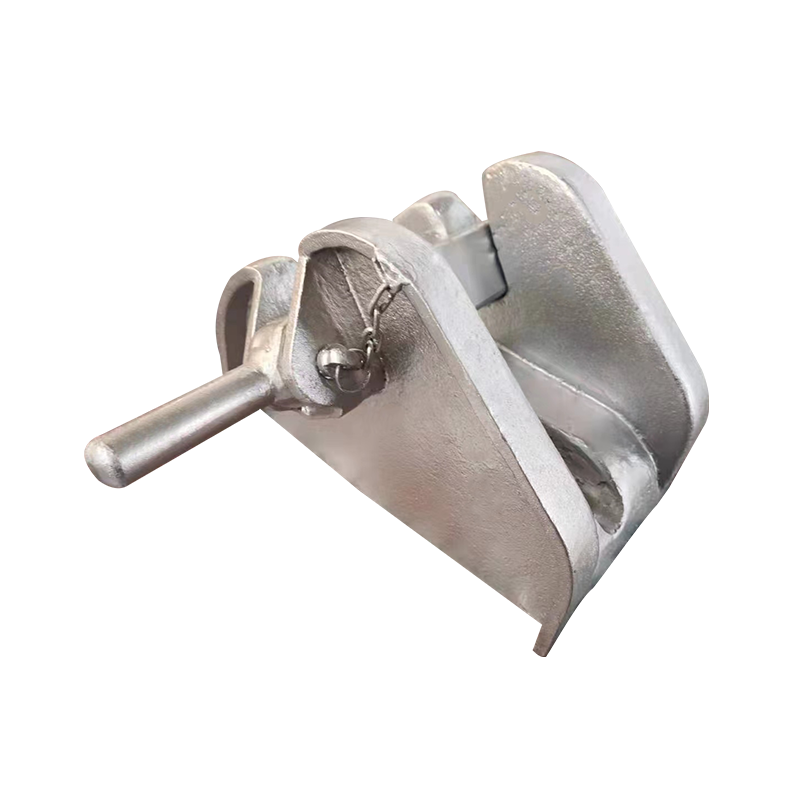 Guillotine Chain Cable Stopper for Secure MooringThis guillotine-style chain stopper distributes tension evenly to withstand heavy mooring loads, reducing single-point stress. It is designed to keep anchor chains stable under harsh sea conditions.View Product →
Windlasses come in a range of configurations to suit different vessel sizes, deck layouts, and power sources.
The right type is decided by chain size, vessel displacement, and how often the crew expects to anchor.
A windlass does not work alone. The chain must fit the gypsy, and the connection between chain and anchor should be free to rotate. A swivel shackle is normally fitted between the last chain link and the anchor shank to reduce the twisting of the chain as the anchor swings on the seabed. Without a swivel, twist can build up in the chain and jam in the gypsy.
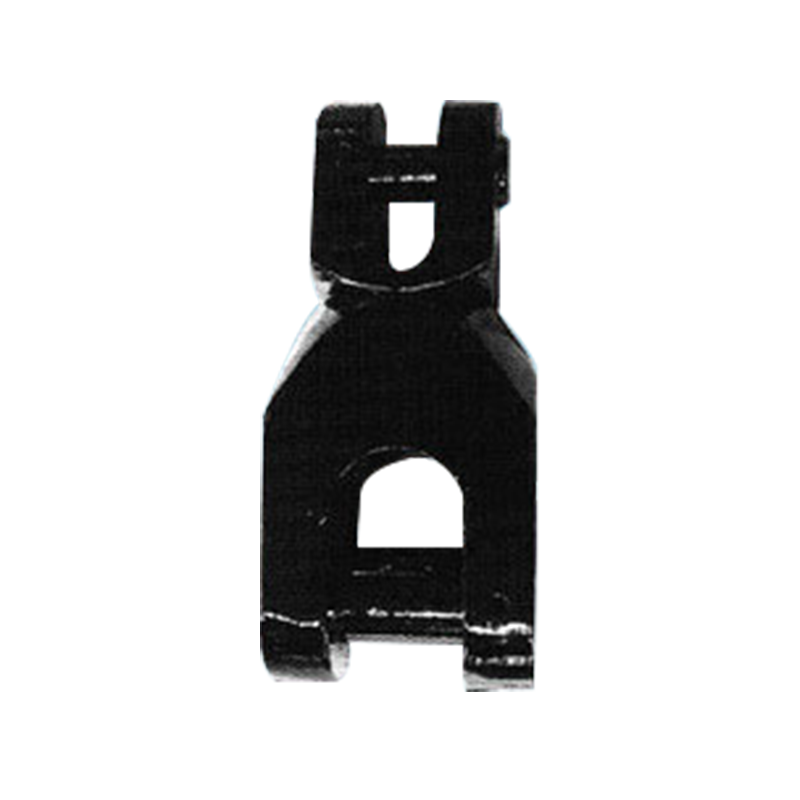 Type A Anchor Swivel Shackle in Alloy SteelThis swivel shackle is made from high-strength alloy steel for durability in marine environments. It helps prevent chain twist between the anchor and chain, ensuring smooth operation with the windlass.View Product →
The anchor itself should suit the seabed where the vessel operates, and the chain size must be compatible with the windlass. If you are still deciding which anchor to pair with your windlass, our marine anchor guide covers types, sizing, scope, and anchoring technique in more detail.
Choosing these parts as a package makes the difference between an anchoring system that works reliably for years and one that causes expensive downtime.
Regular attention to a few points keeps a windlass in service longer and reduces the risk of a failure while at anchor.
A little routine care goes a long way, especially when the anchor is the only thing between the vessel and the shore.
Understanding how a windlass works is about more than passing a sea trial. When you know the job of each component and the sequence of heaving, veering, and holding, you can operate the gear with confidence and spot problems before they become dangerous. For more practical answers on anchoring and deck hardware, visit our FAQ page, or contact our team to discuss a complete anchor and chain package for your vessel.
The Importance and Challenges of Marine Anchors Marine anchors are essential components in the operation of vessels, playing a critical role in ensuring the stability and safety of ships while they ar...
READ MOREStability Challenges of Aquaculture Equipment: Why Are Aquaculture Mooring Anchors So Important? In modern aquaculture, especially offshore or offshore aquaculture, equipment stability is the cornerst...
READ MOREThe Role of a PE Yacht Anchor in Enhancing Mooring Stability The stability of a yacht in rough waters is influenced by various factors such as wind, waves, and currents. One of the most critical eleme...
READ MOREWhat materials are used for steel spherical buoys, and what are their structural advantages? As a key component of marine and inland navigation systems, the structural design and material selection of...
READ MORE
Copyright © Nantong Yangfan Marine Equipment Co., Ltd. All Rights Reserved.
