
 English
 中文简体
中文简体The Importance and Challenges of Marine Anchors Marine anchors are essential components in the operation of vessels, playing a critical role in ensuring the stability and safety of ships while they ar...
READ MORE



Oct 07, 2026
For anyone who spends time on the water, understanding how a windlass works can mean the difference between a smooth anchoring routine and a difficult or even dangerous one. A windlass is the powered deck machine that raises, lowers, and holds a vessel’s anchor chain and anchor. It is mounted on the forecastle, near the bow, and is designed to handle the heavy loads that a ship or boat places on its ground tackle.
In simple terms, a windlass works by converting power from a motor into rotary motion that pulls the anchor chain over a wheel called a gypsy. The gypsy has shaped recesses that match the links of the chain, so each link is engaged positively and moved in a controlled way. The result is a reliable mechanism that lets a crew drop anchor safely and recover it with controlled force.
Content
A windlass is not simply an electric winch. It is a specialized piece of anchoring equipment designed for the specific shape and load characteristics of anchor chain. Unlike a mooring winch that stores rope on a drum, a windlass pulls the chain along a horizontal axis and lets it fall into a chain locker below the deck.
The main purpose of the windlass is to provide controlled speed and braking when paying out the anchor, and enough pulling power when hauling the anchor back. Because the anchor and chain can weigh hundreds or thousands of kilograms, the windlass must be matched to the vessel’s displacement, the anchor size, and the anticipated water depth.
Windlass sizes and designs vary widely. Small boats may use a compact electric unit, while large commercial ships and offshore vessels rely on heavy hydraulic machines that can handle enormous chain diameters. Regardless of size, the core operating principle remains the same.
To understand how a windlass works, it helps to know the parts that make up the unit. In most deck installations, the anchor chain approaches the gypsy from the hawsepipe, passes over the top, and then drops into a chain pipe leading to the locker below. The table below summarizes the most common components found on electric and hydraulic windlasses.
| Component | Function | Why It Matters |
|---|---|---|
| Motor | Supplies the power to rotate the drive train | Determines lifting capacity and speed |
| Gearbox | Reduces speed and increases torque | Controls the pull needed to lift heavy ground tackle |
| Gypsy | Wheel with recesses that grip the chain links | Transfers rotating power to the chain without slipping |
| Clutch and brake | Connect or disconnect the gypsy and control chain pay-out | Allow safe lowering and secure holding at anchor |
| Warping drum | Smooth barrel for handling rope or wire | Provides extra pulling capacity for mooring lines |
Some windlasses also include a chain stopper or pawl fitted separately on deck. This device holds the chain when the windlass is not in use, reducing the load on the brake and protecting the gearbox from prolonged stress.
The sequence below describes a typical anchoring cycle with an electric or hydraulic windlass.
The key point is that the windlass does not lift the anchor directly by pulling on a single point. It works with the entire length of chain, using the gypsy’s pockets to share the load across several links and reduce the risk of slipping.
The brake is especially important during anchoring. When paying out chain, the brake converts the energy of the running chain into friction heat. This allows the crew to control the speed of deployment without relying on the motor to run in reverse under heavy load.
Electric windlasses are common on yachts and smaller workboats. They use a DC motor connected through a gearbox to the gypsy. They are easy to install, relatively simple to control, and do not depend on the ship’s hydraulic plant.
Hydraulic windlasses are often found on commercial vessels and larger offshore vessels. They offer high torque at low speed, smooth control, and can operate for long periods without overheating. Hydraulic power also allows the windlass to be positioned far from the prime mover, since only hoses are needed.
Manual windlasses are used on small boats as a backup or as the primary unit on very light ground tackle. They require crew effort, but their simplicity means fewer parts to maintain and inspect.
Choosing the right type depends on the vessel size, the available power supply, the expected anchoring duty, and the operating environment. For most modern vessels, electric and hydraulic systems offer the best balance of reliability and control.
A windlass is only as reliable as its maintenance. Because the motor, gearbox, gypsy, and brake all work together, a small wear issue can quickly become a serious problem. A simple routine should include checking the brake lining, inspecting the gypsy for worn pockets, and confirming that the clutch engages smoothly.
Proper operation also means knowing the limits of the equipment. If you are not sure about safe anchoring practices or how to inspect your gear, a good starting point is to review our frequently asked questions about anchoring equipment and deck hardware.
A windlass works with a complete anchoring system. The anchor chain must be correctly sized for both the windlass gypsy and the anchor, and the connection between the anchor and chain needs a swivel shackle to prevent torque from building up. The deck layout should also include a chain stopper so that the windlass is not left holding the full weight of the ground tackle during long periods at anchor.
When selecting an anchor chain, choose a grade and link size that match the gypsy profile. The chain is the main working member of the system; a mismatch will reduce efficiency and speed up wear.
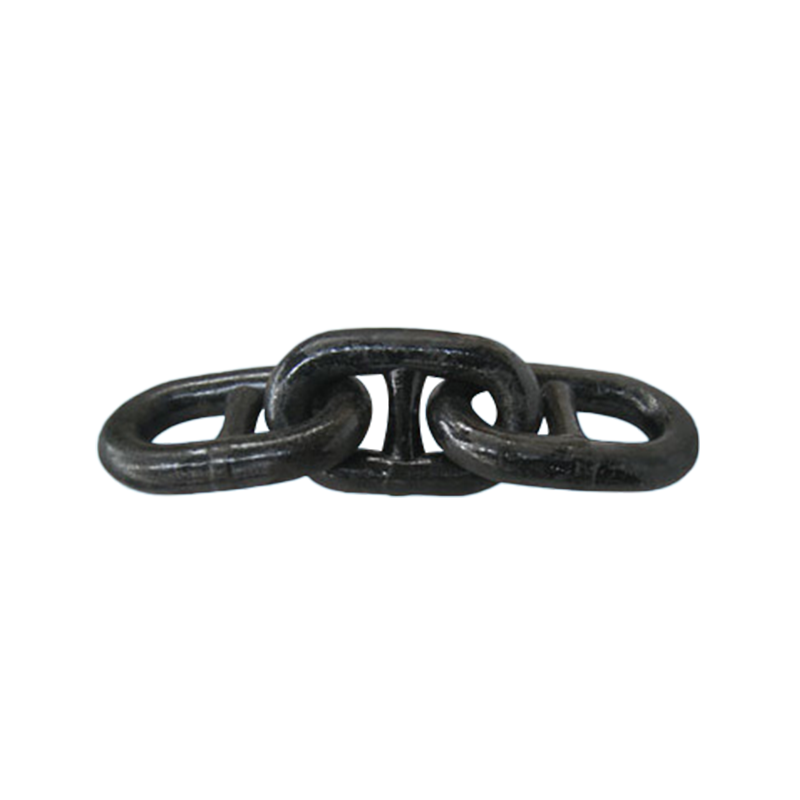 Anchor ChainThe studded anchor chain is a high-strength connection device widely used in ships and marine engineering. It can be divided into multiple specifications according to ...View Product →
Between the anchor and the chain, an anchor swivel shackle allows the anchor to rotate without twisting the chain. This small component can prevent serious kinking and extends the life of the chain.
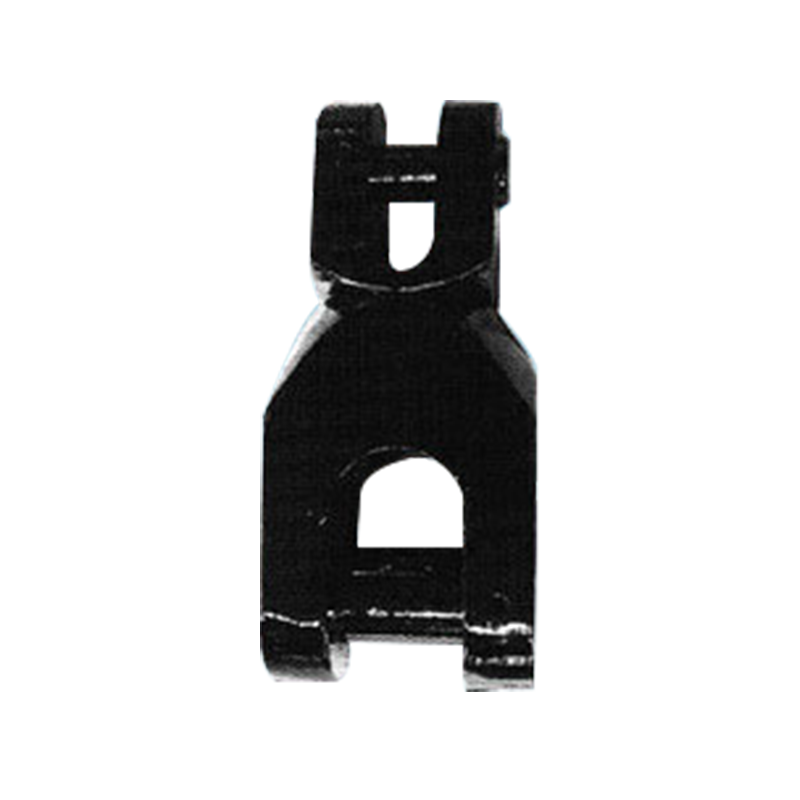 Anchor Swivel Shackle (Type A)Made of high-strength alloy steel, it is extremely durable and can be used stably for a long time in harsh environments. Its high-strength design ensures that the shac...View Product →
On board larger vessels, a guide to outfitting parts can help deck teams choose the right combination of chain stoppers, chocks, and fairleads for their windlass and mooring arrangement.
Once the anchor is set, a chain stopper takes the strain off the windlass. It is a simple but vital part of the anchoring system, especially in deep water or heavy weather.
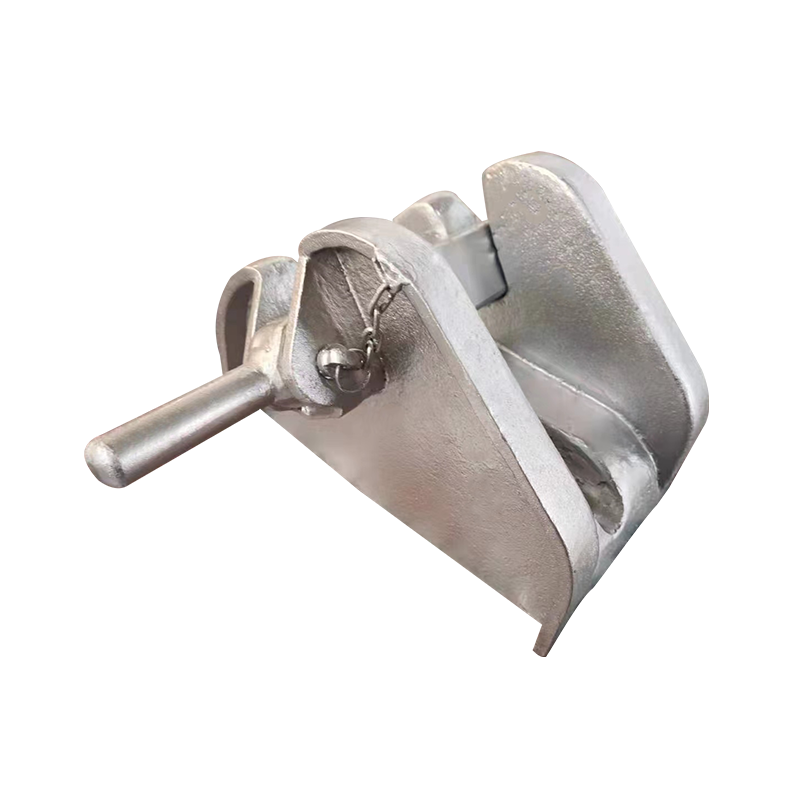 Guillotine Chain Cable StopperThe innovative guillotine design has an good load-bearing capacity advantage. Its unique locking structure can effectively withstand the huge pulling force generated w...View Product →
Understanding how a windlass works is not only useful for operators; it also helps when selecting the supporting equipment that surrounds it. A windlass depends on the anchor chain, the swivel, the shackles, the chain stopper, and the deck fittings to perform reliably over its service life.
At Nantong Yangfan Marine Equipment Co., Ltd., we manufacture anchoring and mooring components that are designed to work as a system, from anchors and chain to chain accessories and deck outfitting parts. By matching the windlass with the correct ground tackle and deck hardware, you can keep your anchoring routine safe, efficient, and easy to manage.
The Importance and Challenges of Marine Anchors Marine anchors are essential components in the operation of vessels, playing a critical role in ensuring the stability and safety of ships while they ar...
READ MOREStability Challenges of Aquaculture Equipment: Why Are Aquaculture Mooring Anchors So Important? In modern aquaculture, especially offshore or offshore aquaculture, equipment stability is the cornerst...
READ MOREThe Role of a PE Yacht Anchor in Enhancing Mooring Stability The stability of a yacht in rough waters is influenced by various factors such as wind, waves, and currents. One of the most critical eleme...
READ MOREWhat materials are used for steel spherical buoys, and what are their structural advantages? As a key component of marine and inland navigation systems, the structural design and material selection of...
READ MORE
Copyright © Nantong Yangfan Marine Equipment Co., Ltd. All Rights Reserved.
