
 English
 中文简体
The Importance and Challenges of Marine Anchors Marine anchors are essential components in the operation of vessels, playing a critical role in ensuring the stability and safety of ships while they ar...
READ MORE



Nov 02, 2026
We hear the same question from boat owners every season: how do shallow water anchors work? Usually it comes after a frustrating afternoon on a flat when the wind keeps pushing the hull off the spot. A shallow water anchor is the tool that solves that problem, and understanding how it works is the first step to choosing the right one for your boat.
Content
A shallow water anchor, also known as a pole anchor or stick anchor, is a mast-like device mounted to the transom or jack plate of a boat. Instead of being lowered on a rope like a conventional anchor, the unit pushes a long spike straight down until it bites into the bottom. The result is a boat that stays pinned in one place without the drag-and-set ritual of a traditional anchor.
Shallow water anchors are built for water depths of roughly 1 to 10 feet. That makes them a natural fit for bass boats, aluminum fishing rigs, pontoons and kayaks, and for any situation where precise holding matters: working a weed line, sitting on a brush pile, or holding against a steady breeze while you fish.
Every shallow water anchor depends on one of two ways to move the pole: an electric linear actuator or a hydraulic pump.
When you press the deploy button, the actuator or pump extends the pole downward at a slight angle until the sharpened spike reaches the bottom. The spike penetrates the sediment, while the shoulder above the point limits how deep it can sink in a wave surge. As the spike seats itself, the boat settles against the pole. The holding force comes from the ground pressing against the buried spike, not from dragging anything across the bottom, which is why a shallow water anchor can pin a boat so quickly and so quietly.
Retrieval is just as simple. Hit the button again and the actuator reverses or the hydraulic valve releases, lifting the spike clear of the bottom. Many units include a shallow water mode that keeps the pole low enough to touch bottom while you idle along; the spike bounces lightly, so when you stop, the spike stops with you and grabs hold in seconds.
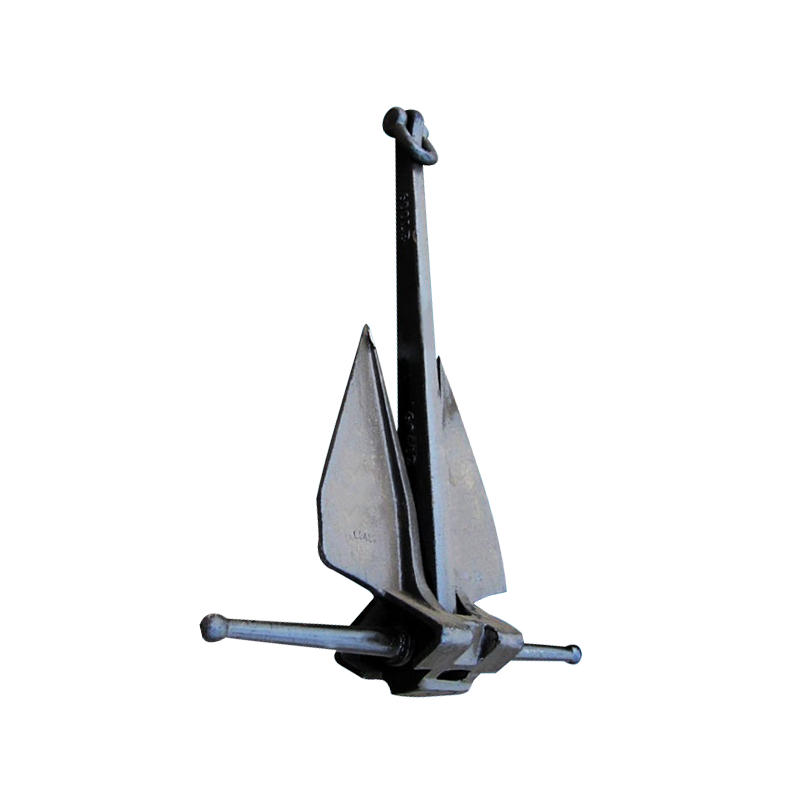 High-Holding Danforth Anchor for Working BoatsThis fluke-style anchor offers reliable holding power in varied bottoms, making it a solid primary anchor for deeper water and windier conditions.View Product →
None of this replaces your primary anchor. When the wind kicks up or you move into deeper water, a properly set fluke-style anchor takes over without argument. That is why many boats we outfit carry a Danforth or similar anchor as the main working anchor and treat a shallow water anchor as a precision tool for the skinny-water margins.
| Stage | What happens | Boat position |
|---|---|---|
| Deploy | Actuator or pump extends the pole and spike toward the bottom | Boat slows and settles into position |
| Set | Spike penetrates the sediment; the shoulder limits penetration depth | Boat holds firmly against wind and current |
| Retrieve | Actuator reverses or hydraulic pressure releases, lifting the spike | Boat is free to move or reposition |
Shallow water anchors look simple from the outside, but each component has a specific job.
| Component | Function |
|---|---|
| Pole and spike | Extends into the water and penetrates the bottom; usually anodized aluminum or stainless steel |
| Spike point | Sharpened section that drives into the sediment and resists sideways pull |
| Mounting bracket | Bolts to the transom, jack plate or swim platform and pivots between stored and deployed positions |
| Actuator or pump unit | Electric motor and gear train, or hydraulic pump and cylinder, that powers the pole |
| Control switch and remote | Button or fob that deploys and retrieves the pole, often with depth and sensitivity settings |
| Hydraulic reservoir | Holds fluid and keeps constant pressure on hydraulic models |
Understanding how shallow water anchors work is easier when you set them next to the anchor you already own.
| Aspect | Shallow water anchor | Traditional anchor |
|---|---|---|
| Holding method | Spike pushed vertically into the bottom | Flukes or plows dig in under horizontal pull |
| Deployment | Push-button electric or hydraulic | Manual drop with rope, chain or both |
| Best working depth | About 1 to 10 feet | Works from shallow flats to open water |
| Time to set | Seconds after pressing the button | Varies; often needs boat movement to dig in |
| Quick spot changes | Excellent | Slow and noisy |
| Overnight or heavy weather | Not recommended | First choice |
For the full picture of anchoring technique, including rode selection, scope and setting technique, take a look at our complete guide to anchoring a boat.
Experience counts for a lot with shallow water anchors. A few habits make the difference between a tool that works and one that frustrates you.
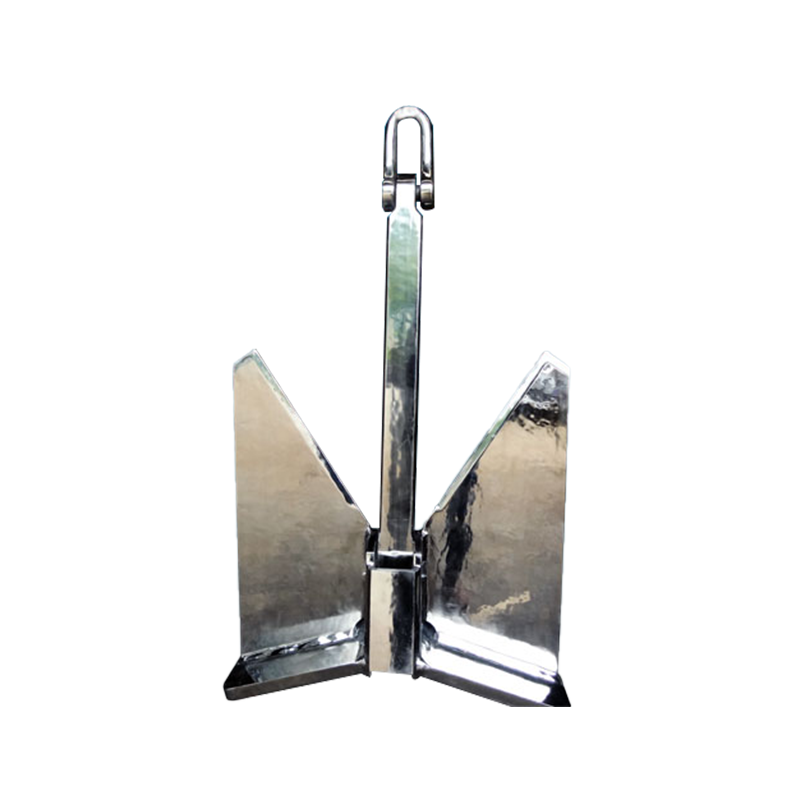 Stainless Steel Yacht Anchors for Small Boat VersatilityThese corrosion-resistant anchors suit clean ledges, heavy tides, and lunch stops in deeper water, complementing a shallow water pole for full coverage.View Product →
Anglers who run smaller boats often carry a stainless steel yacht anchor as the main anchor for the moments when a pole cannot do the job: a clean granite ledge, a heavy tide, or a lunch stop in twenty feet of water. That combination covers almost every situation you will meet on the water.
Shallow water anchors live in a harsh environment: saltwater spray, mud, sand and constant dunking. A few minutes of routine care keeps them reliable for years.
A shallow water anchor is one tool in a complete anchoring system. It gives you precision in the places where a traditional anchor struggles: thin flats, weed lines and wind-swept shorelines. For everything else, the same principles of bottom, scope and holding power still apply.
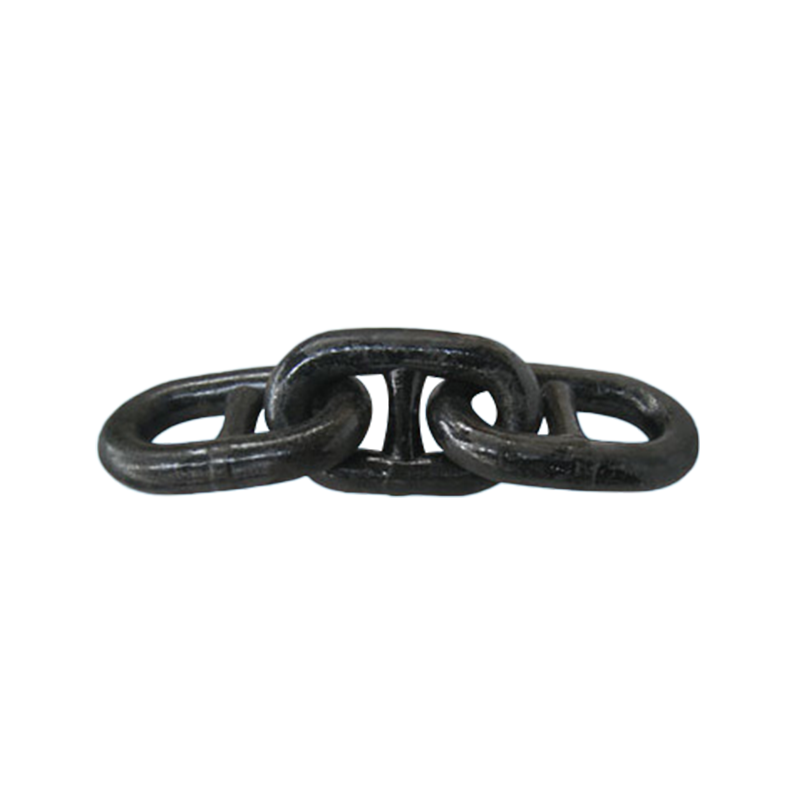 Studded Anchor Chain for Complete Mooring SystemsThis high-strength chain connects your anchor to the boat with durability and grip, essential for building a full anchoring setup with proper scope.View Product →
If you are building a full setup, from the spike at the stern to a proper chain and rode at the bow, it helps to work with a supplier who understands both sides of the equation. That is what we do at Nantong Yangfan Marine Equipment, and we are happy to help you match anchors, chain, shackles and mooring hardware to your boat and the waters you fish. For an overview of the broader anchor family before you decide, browse our guide to different types of marine anchors.
The Importance and Challenges of Marine Anchors Marine anchors are essential components in the operation of vessels, playing a critical role in ensuring the stability and safety of ships while they ar...
READ MOREStability Challenges of Aquaculture Equipment: Why Are Aquaculture Mooring Anchors So Important? In modern aquaculture, especially offshore or offshore aquaculture, equipment stability is the cornerst...
READ MOREThe Role of a PE Yacht Anchor in Enhancing Mooring Stability The stability of a yacht in rough waters is influenced by various factors such as wind, waves, and currents. One of the most critical eleme...
READ MOREWhat materials are used for steel spherical buoys, and what are their structural advantages? As a key component of marine and inland navigation systems, the structural design and material selection of...
READ MORE
Copyright © Nantong Yangfan Marine Equipment Co., Ltd. All Rights Reserved.
