
 English
 中文简体
The Importance and Challenges of Marine Anchors Marine anchors are essential components in the operation of vessels, playing a critical role in ensuring the stability and safety of ships while they ar...
READ MORE



Nov 25, 2026
A fluke style anchor does not hold a recreational boat simply because it is heavy. It holds because its shape turns the boat's pull into a digging action. When the rode comes tight, the shank lifts slightly, the crown pivots, and the two broad flukes are driven down into the seabed. The anchor is not acting like a dead weight on the bottom. It is acting like a small plough that keeps biting deeper as the load increases.
That difference matters on a recreational boat. A light fluke anchor can stow flat on a bow roller, launch easily by hand, and still develop serious holding power in sand or firm mud. But it can also disappoint if it lands on weed, if too little scope is paid out, or if the skipper never properly sets it. Understanding the sequence helps you get predictable results instead of hoping the anchor will somehow "catch".
Content
A typical fluke anchor has two flat, triangular flukes, a stock that helps keep the anchor oriented, a shank that carries the load up to the rode, and a crown or pivot point where the flukes can rotate. The stock is not there to add weight for its own sake. It helps the anchor land in a usable position so the flukes can present their edges to the bottom.
The real holding force comes from the seabed itself. As the boat pulls, the flukes are pressed into the bottom and a wedge of soil builds up above them. That soil wedge adds resistance. In good sand, the anchor may need only a short set before it feels solid. In soft mud, the flukes may bury deeply but the bottom may shear away under a hard load. In rock or heavy weed, the flukes may never get a clean entry at all.
A fluke anchor holds best when it is set deliberately. The goal is to let the flukes enter the bottom at a shallow angle, then increase load gradually until the anchor is buried and the rode is working at a consistent angle. On a recreational boat, this is usually a slow, controlled process rather than a dramatic drop and dash.
If you want a fuller deck-level routine, our step-by-step anchoring guide covers the same sequence in more detail.
Scope is what keeps the pull on a fluke anchor relatively horizontal. With a short scope, the rode pulls upward on the shank and can lift the flukes out of the bottom. With a longer scope, the chain and rope lie closer to the seabed, and the anchor can keep digging. Chain helps because its weight dampens snatch loads and keeps the rode low, but chain cannot make up for an anchor that is lying on its side.
Seabed type is the other half of the equation. A fluke anchor is at its best in sand and firm mud. It is less reliable in thick grass, loose weed, or hard rock, where the flukes cannot penetrate cleanly. The table below is a practical way to think about common recreational anchoring grounds.
| Seabed | What the flukes do | Practical note |
|---|---|---|
| Firm sand | Dig in quickly and build a stable soil wedge | Usually the most predictable bottom for a fluke anchor |
| Soft mud | Bury deeply but may pull through under heavy load | Use more scope and set gently; test with increasing power |
| Gravel and shell | May catch unevenly or skip before digging | Set slowly and confirm with transits before leaving the helm |
| Rock | Often cannot penetrate; may only hook a ledge | Not a reliable fluke anchor bottom; consider another style |
| Weed and grass | Flukes may clog or sit on top of the growth | Look for a clear patch of sand or mud nearby |
Size selection should be based on the boat's length, displacement, windage, and the conditions you expect, not only on a simple length chart. A fluke anchor that is too small may set quickly in calm water and still drag when a squall arrives. A model that is too large can be awkward to handle on a small foredeck, so the practical choice is usually the largest anchor you can launch, stow, and retrieve safely.
If you are replacing a tired fluke anchor or building a spare kit, the YFDanforth anchor is one option in our range for recreational craft that need a flat-stowing design.
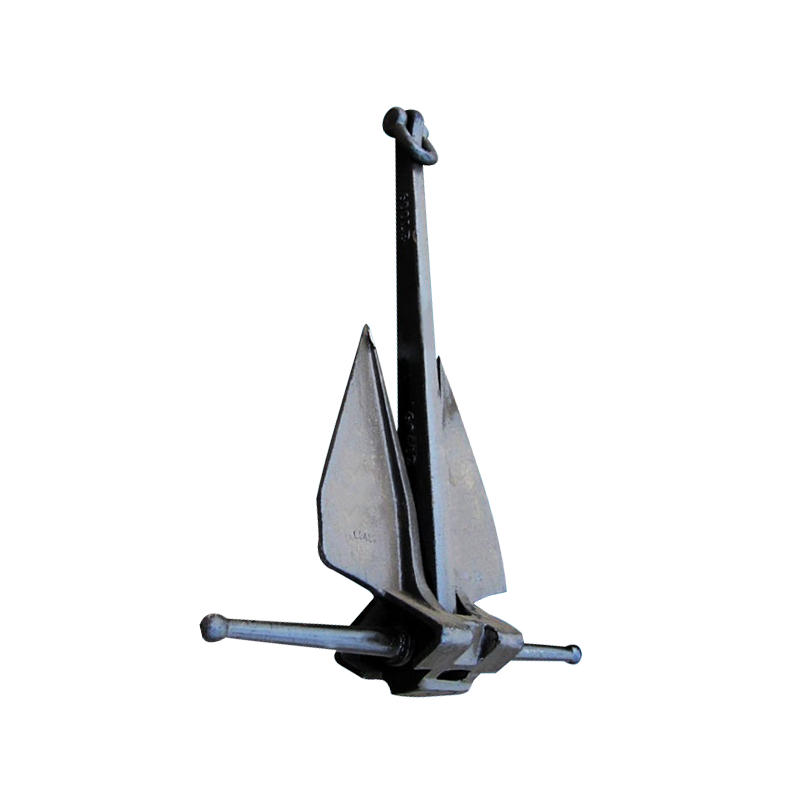 YF-Danforth Flat-Stowing Marine AnchorA flat-stowing Danforth-style anchor for recreational craft, offered in nominal weights from 60 kg to 25,000 kg for replacement or spare kit use.View Product →
The rode matters as much as the anchor. All-chain rode gives abrasion resistance and weight, but it needs a snubber to reduce shock at the bow. Rope rode is lighter and easier to handle, but it needs chafe protection at the roller and should not be allowed to rub on sharp edges. Check the shackle, swivel, and chain end fitting before every season, because a strong anchor is only as good as its weakest connection.
Most fluke anchor failures are not mysterious. They usually come from one of a few familiar habits:
Good anchoring is a system: the anchor, the rode, the scope, the seabed, and the skipper's watchkeeping all work together. A fluke anchor is a capable tool when those parts are matched, and a frustrating one when they are not.
Retrieving a fluke anchor is easier when you motor slowly toward it and let the rode come up vertically. Do not try to drag a buried anchor sideways with the windlass. Once it breaks free, wash off mud and sand, then inspect the flukes for bends, the crown for wear, and the shackle pin for security. A fluke anchor that has been sitting in a locker for years still deserves a close look before it is trusted in a fresh breeze.
Chain and end fittings deserve the same attention. A worn shackle or a corroded chain link can fail long before the anchor itself does.
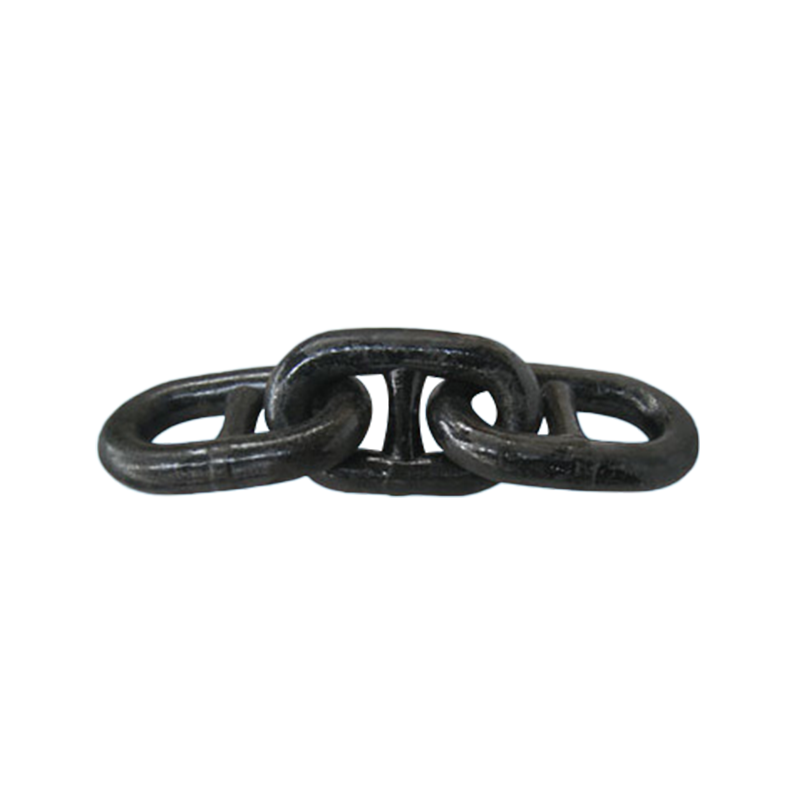 Stud-Link Anchor Chain for Ships and Marine EngineeringHigh-strength stud-link anchor chain in diameters from 1/2 inch to 6-3/8 inch, intended for ship and marine engineering connections and available in multiple grades.View Product →
A fluke style anchor holds a recreational boat by converting the boat's pull into a digging action at the seabed. The flukes penetrate, the crown pivots, and the rode angle keeps the load working in the right direction. Weight helps the anchor handle and start the set, but holding power comes from fluke area, bottom condition, scope, and a careful set. Get those details right, and a simple fluke anchor becomes a dependable part of a relaxing day on the water.
The Importance and Challenges of Marine Anchors Marine anchors are essential components in the operation of vessels, playing a critical role in ensuring the stability and safety of ships while they ar...
READ MOREStability Challenges of Aquaculture Equipment: Why Are Aquaculture Mooring Anchors So Important? In modern aquaculture, especially offshore or offshore aquaculture, equipment stability is the cornerst...
READ MOREThe Role of a PE Yacht Anchor in Enhancing Mooring Stability The stability of a yacht in rough waters is influenced by various factors such as wind, waves, and currents. One of the most critical eleme...
READ MOREWhat materials are used for steel spherical buoys, and what are their structural advantages? As a key component of marine and inland navigation systems, the structural design and material selection of...
READ MORE
Copyright © Nantong Yangfan Marine Equipment Co., Ltd. All Rights Reserved.
